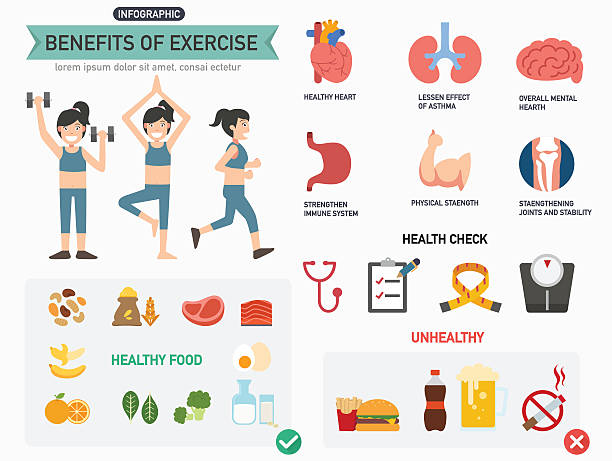

In today’s fast-paced digital world, exercise often takes a back seat. Long working hours, screen time, stress, and lack of motivation make physical activity feel optional. But the truth is simple: exercise is not a luxury, it’s a necessity. Regular physical activity plays a vital role in maintaining overall health, improving mental well-being, and enhancing quality of life.
Whether it’s a brisk walk, yoga, strength training, or a full workout at the gym, exercise benefits every part of your body from head to toe. In this detailed guide, we’ll explore the physical, mental, emotional, and long-term benefits of exercise, and why making it a daily habit can completely transform your life.
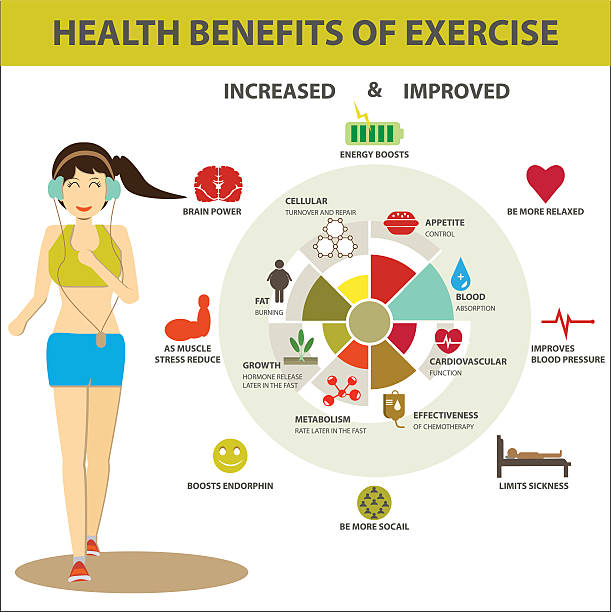
What Is Exercise?
Exercise refers to any physical activity that improves or maintains physical fitness, overall health, and wellness. It includes activities such as walking, running, cycling, swimming, stretching, dancing, and strength training.
There are generally four main types of exercise:
- Aerobic exercise (walking, jogging, swimming)
- Strength training (weight lifting, resistance exercises)
- Flexibility exercises (stretching, yoga)
- Balance exercises (tai chi, stability workouts)
Each type plays a unique role in keeping the body healthy and functional.
Physical Benefits of Exercise
Improves Heart Health
One of the most well-known benefits of exercise is improved cardiovascular health. Regular physical activity strengthens the heart muscle, allowing it to pump blood more efficiently. This helps reduce the risk of heart disease, high blood pressure, and stroke.
According to the American Heart Association, at least 150 minutes of moderate exercise per week can significantly lower the risk of cardiovascular problems.
https://www.heart.org
Helps Maintain a Healthy Weight
Exercise helps burn calories, increase metabolism, and build muscle mass. When combined with a balanced diet, it becomes one of the most effective ways to manage body weight.
Even light activities like walking or cycling can help prevent weight gain and support fat loss over time—without extreme dieting.
Strengthens Muscles and Bones
As we age, muscle mass and bone density naturally decline. Exercise—especially strength training and weight-bearing activities—helps slow this process.
Regular workouts:
- Increase muscle strength
- Improve posture and balance
- Reduce the risk of osteoporosis
- Prevent bone fractures
This is especially important for older adults and women.
Boosts Immunity
Moderate, regular exercise strengthens the immune system by improving circulation and promoting healthy immune cell activity. People who exercise consistently are less likely to catch common illnesses like colds and flu.
However, balance is key—over-exercising can temporarily weaken immunity, so consistency matters more than intensity.

Mental Health Benefits of Exercise
Reduces Stress and Anxiety
Exercise is a natural stress reliever. Physical activity reduces levels of stress hormones like cortisol while increasing endorphins—also known as “feel-good hormones.”
Even a 20-minute walk can help clear your mind, relax your body, and reduce anxiety.
https://www.healthline.com/health/exercise-for-anxiety
Helps Fight Depression
Exercise is scientifically proven to help reduce symptoms of depression. It improves mood, increases self-confidence, and provides a sense of achievement.
Many mental health professionals recommend exercise as a complementary treatment alongside therapy or medication.
Improves Brain Function and Memory
Regular exercise increases blood flow to the brain, promoting better cognitive function. It supports:
- Improved focus
- Better memory
- Faster learning
- Reduced risk of cognitive decline
Studies suggest that exercise may even lower the risk of Alzheimer’s disease.
https://www.ncbi.nlm.nih.gov/pmc/articles/PMC3951958/
Emotional and Lifestyle Benefits of Exercise
Boosts Energy Levels
It might sound surprising, but exercising actually increases energy. Physical activity improves oxygen circulation and enhances endurance, making daily tasks feel easier.
People who exercise regularly often report feeling more active and less tired throughout the day.
Improves Sleep Quality
Struggling with poor sleep? Exercise can help. Regular physical activity:
- Helps you fall asleep faster
- Improves sleep depth
- Reduces insomnia
Just make sure to avoid intense workouts right before bedtime.
https://www.sleepfoundation.org/physical-activity/exercise-and-sleep
Builds Self-Confidence
Exercise improves physical appearance, posture, and strength—all of which contribute to higher self-esteem. Reaching fitness goals, no matter how small, creates a sense of accomplishment and confidence.
Feeling good physically often leads to feeling good emotionally.
Long-Term Health Benefits of Exercise
Reduces Risk of Chronic Diseases
Regular exercise helps prevent and manage many chronic conditions, including:
- Type 2 diabetes
- High blood pressure
- Arthritis
- Certain cancers
- Metabolic syndrome
It improves insulin sensitivity and reduces inflammation in the body.
Increases Longevity
Numerous studies show that people who exercise regularly live longer, healthier lives. Physical activity reduces the risk of premature death and improves quality of life in later years.
You don’t need extreme workouts—consistency is what matters most.
Social Benefits of Exercise
Encourages Social Interaction
Group workouts, sports, gym sessions, or even walking with friends help build social connections. These interactions improve emotional health and reduce feelings of loneliness.
Exercise can be a great way to bond with others while staying healthy.
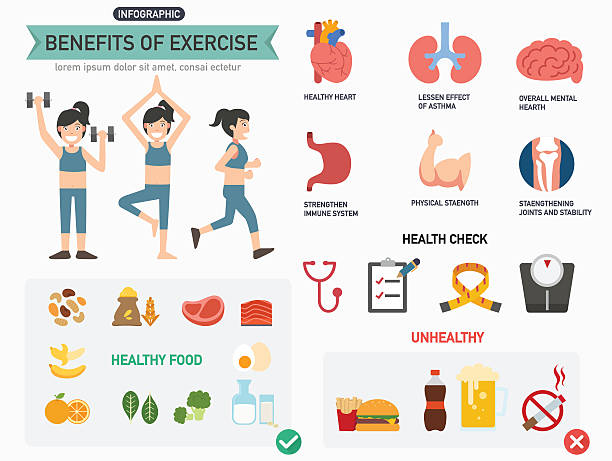
Exercise for Different Age Groups
Children and Teens
- Supports growth and development
- Improves concentration and academic performance
- Builds healthy habits early
Adults
- Helps manage stress and weight
- Boosts productivity
- Prevents lifestyle diseases
Older Adults
- Improves balance and mobility
- Reduces fall risk
- Maintains independence
How Much Exercise Do You Really Need?
According to the World Health Organization (WHO):
- Adults should aim for 150–300 minutes of moderate exercise per week
- Muscle-strengthening activities at least twice a week
https://www.who.int/news-room/fact-sheets/detail/physical-activity
Tips to Make Exercise a Daily Habit
- Start small and stay consistent
- Choose activities you enjoy
- Set realistic goals
- Mix different types of workouts
- Track your progress
- Stay patient with results
Remember: something is always better than nothing.
Common Myths About Exercise:
- ❌ You must go to the gym
- ❌ Exercise is only for weight loss
- ❌ You need hours every day
- ❌ It’s too late to start
✔ Truth: Exercise is flexible, personal, and beneficial at every age.
Conclusion:
The benefits of exercise go far beyond physical appearance. It strengthens your body, sharpens your mind, stabilizes your emotions, and improves your overall quality of life. Whether your goal is better health, mental peace, confidence, or longevity—exercise is the answer.
You don’t need perfection. You just need movement.
Start today. Your future self will thank you.