


Introduction
The New Year has a unique kind of magic to it. It feels like a mental reset button we’re all invited to press at the same time. Calendars flip, goals feel possible again, and suddenly, there’s a quiet sense of hope in the air. Even if nothing in your life has physically changed overnight, something shifts internally. And that shift? It starts with your mindset.
Starting the New Year with a positive mindset isn’t about pretending life is perfect or forcing happiness 24/7. It’s about choosing how you respond to challenges, how you speak to yourself, and how you frame the year ahead. A positive mindset acts like a compass—it doesn’t remove obstacles, but it helps you navigate through them with clarity and confidence.
Think of your mindset as the lens through which you see the world. If that lens is foggy with negativity, fear, or self-doubt, everything looks harder than it needs to be. Clear that lens, and suddenly possibilities appear where problems once stood. The beginning of a new year offers the perfect opportunity to clean that lens intentionally.
In this blog, you’ll discover practical, realistic, and human ways to start the New Year with a positive mindset. No fluff. No toxic optimism. Just grounded strategies that help you feel mentally lighter, emotionally stronger, and genuinely excited about what’s ahead. Whether the past year was amazing, messy, or downright exhausting, this is your chance to begin again—with intention.
Understanding What a Positive Mindset Really Means
Before you can build a positive mindset, it’s important to understand what it actually is—and what it isn’t. A positive mindset doesn’t mean walking around with a fake smile or ignoring life’s problems. It’s not about suppressing emotions or pretending pain doesn’t exist. In fact, real positivity begins with honesty.
A positive mindset is the ability to approach life with optimism while still acknowledging reality. It’s choosing hope over helplessness. It’s believing that challenges are temporary and that growth is always possible, even when things feel uncomfortable. Positivity isn’t the absence of negativity; it’s the confidence that you can handle whatever comes your way.
Many people confuse positivity with toxic positivity—the idea that you must always “stay positive” no matter what. That mindset can be harmful because it dismisses real emotions like sadness, anger, or grief. A healthy positive mindset allows space for all emotions while refusing to let them define your future.
Your mindset directly influences your thoughts, and your thoughts shape your actions. If you constantly tell yourself, “This year will be just as bad as the last,” your brain looks for proof to confirm that belief. On the other hand, if you think, “This year is an opportunity to grow,” your brain searches for possibilities instead.
Starting the New Year with a positive mindset means choosing empowering thoughts, practicing self-compassion, and believing that change is possible—even if it happens slowly. It’s not about perfection. It’s about progress.
Why the New Year Is the Perfect Time for a Mindset Shift
There’s a psychological reason why the New Year feels so motivating. It’s called the “fresh start effect.” When we experience a clear break in time—like a new year, birthday, or new job—it helps us mentally separate from past failures and mistakes. The New Year gives your brain permission to start over.
This sense of renewal creates emotional distance from the past. Suddenly, last year’s disappointments don’t feel as heavy. You’re no longer stuck in the story of “what went wrong.” Instead, you’re invited to write a new chapter. That’s powerful.
The New Year also encourages reflection. It naturally makes you ask questions like: What do I want to do differently? What kind of person do I want to become? These questions are the foundation of mindset change. They shift your focus from reacting to life to intentionally designing it.
Another reason the New Year is ideal for a mindset reset is collective energy. When millions of people around the world are setting goals and embracing change, it creates momentum. You feel less alone in your desire to improve, and that shared motivation makes change feel more achievable.
Starting the year with a positive mindset doesn’t guarantee a perfect year—but it sets the tone. It influences how you show up on day one, and that energy carries forward. Think of it like setting the thermostat for the year. Get the temperature right early, and everything else feels more balanced.
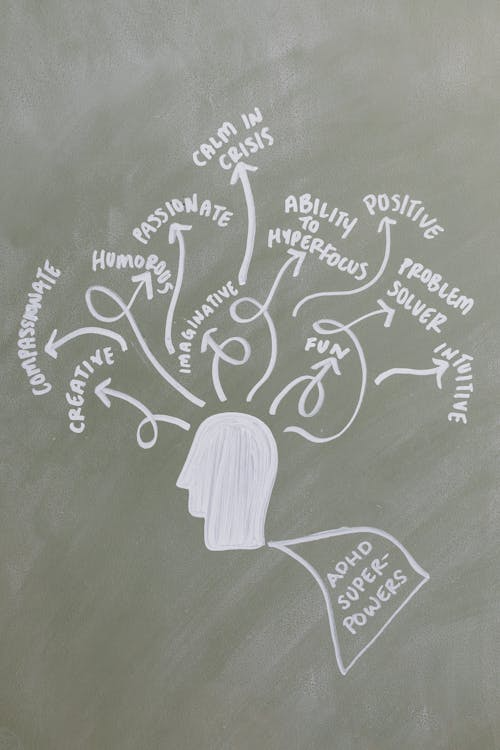
Reflecting on the Past Year Without Judgment
Reflection is one of the most underrated tools for building a positive mindset. Many people avoid looking back because they associate reflection with regret or self-criticism. But reflection doesn’t have to be painful—it can be empowering when done without judgment.
Instead of asking, “What did I do wrong?” try asking, “What did I learn?” This simple shift transforms reflection into growth. Every experience—good or bad—contains valuable information about who you are, what you value, and what you need moving forward.
Start by reviewing the past year honestly. What moments made you feel proud? What drained your energy? What patterns do you notice in your relationships, habits, or reactions? Awareness is the first step toward change, and reflection gives you that awareness.
It’s important to separate lessons from labels. A mistake doesn’t make you a failure. A setback doesn’t define your worth. When you remove judgment, you create emotional safety for yourself—and that safety is essential for a positive mindset.
One effective reflection exercise is journaling. Write freely about the highs, lows, and lessons of the year. No filters. No grammar checks. Just honesty. When you’re done, read it back with compassion, as if you were reading a friend’s story.
Reflection isn’t about dwelling on the past. It’s about harvesting wisdom from it so you can move forward lighter, wiser, and more confident in the year ahead.
Letting Go of Negativity, Guilt, and Resentment
Starting the New Year with a positive mindset requires emotional decluttering. Just like you wouldn’t bring trash into a freshly cleaned house, carrying unresolved negativity into a new year weighs you down before you even begin.
Negativity often shows up as guilt, resentment, or self-blame. These emotions consume mental energy without offering solutions. Holding onto them doesn’t change the past—it only limits your future. Letting go isn’t about forgetting; it’s about freeing yourself.
Forgiveness plays a huge role here, and that includes forgiving yourself. Many people enter the New Year still punishing themselves for past mistakes. But self-forgiveness is not weakness—it’s self-respect. You did the best you could with what you knew at the time.
Resentment toward others can also poison your mindset. When you replay old hurts, you relive the pain again and again. Letting go doesn’t mean what happened was okay; it means you’re choosing peace over pain.
A practical way to release negativity is through a “letting go” ritual. Write down everything you’re ready to leave behind—habits, thoughts, relationships, emotions. Then physically discard the paper. This symbolic act signals your brain that it’s time to move forward.
The New Year isn’t just about adding new goals—it’s about releasing what no longer serves you. When you let go of emotional weight, positivity has space to grow.
Setting Intentions Instead of Resolutions
Traditional New Year’s resolutions often fail because they focus on outcomes rather than identity. “Lose 20 pounds.” “Make more money.” “Be happier.” These goals aren’t wrong—but they can feel overwhelming and rigid. That’s where intentions come in.
Intentions focus on how you want to live, not just what you want to achieve. They’re flexible, values-based, and mindset-driven. Instead of saying, “I will go to the gym every day,” an intention might be, “I will honor my body and energy.”
This shift reduces pressure and increases consistency. Intentions guide your decisions without boxing you into unrealistic expectations. They allow room for imperfection while keeping you aligned with your values.
Examples of powerful New Year intentions include:
- Choosing self-compassion over self-criticism
- Prioritizing mental health
- Being present instead of rushed
- Responding with patience rather than anger
When your intentions are clear, your mindset naturally follows. You’re no longer chasing goals out of guilt or comparison—you’re living with purpose.
Intentions act like an internal compass. Even when life gets messy, they help you recalibrate instead of giving up. And that’s exactly what a positive mindset needs to thrive throughout the year.

Creating Meaningful and Achievable Goals
A positive mindset doesn’t exist in isolation—it grows stronger when paired with meaningful goals. Goals give direction to your optimism. Without them, positivity can feel vague or short-lived. The key, however, is creating goals that support your mental well-being instead of overwhelming it.
Meaningful goals are rooted in your values, not external pressure. Instead of asking, “What should I achieve this year?” ask, “What actually matters to me right now?” When goals align with your values, motivation becomes natural rather than forced. You’re no longer chasing someone else’s definition of success.
Achievability is just as important. Big dreams are inspiring, but unrealistic expectations can quickly turn positivity into frustration. Break large goals into smaller, manageable steps. Each small win reinforces confidence and strengthens your belief in yourself, which fuels a positive mindset.
For example, instead of setting a goal to “completely change my life this year,” focus on specific areas like improving daily habits, strengthening relationships, or learning a new skill. Progress in these areas compounds over time.
Write your goals down and revisit them regularly. Seeing your progress—even slow progress—creates momentum. It reminds you that growth is happening, even on days when motivation feels low. A positive mindset thrives on evidence of progress, not perfection.
Building a Morning Routine That Sets a Positive Tone
How you start your day often determines how you experience it. A rushed, chaotic morning can set a negative tone that lingers for hours. On the other hand, a calm and intentional morning routine creates mental stability and emotional balance.
A positive morning routine doesn’t need to be complicated. It simply needs to be consistent and aligned with your needs. Even 15 to 30 minutes of intentional time can transform your mindset for the entire day.
Effective morning routines often include elements like:
- Mindful breathing or meditation
- Light movement or stretching
- Journaling or intention setting
- Limiting phone use early in the day
These habits signal to your brain that you are in control of your time and energy. Instead of reacting to the world, you begin the day grounded and focused.
Mornings are also a powerful time for positive self-talk. What you say to yourself in those early moments matters. Replace rushed thoughts like “I’m already behind” with affirmations such as “I’m allowed to start my day calmly.”
When practiced consistently, a supportive morning routine becomes an anchor. No matter what challenges arise later, you’ve already invested in your mental well-being—and that strengthens your positive mindset.
Practicing Gratitude to Rewire Your Brain
Gratitude is one of the most effective tools for cultivating a positive mindset, and science backs it up. Regular gratitude practice has been shown to reduce stress, improve mood, and increase overall life satisfaction. It literally rewires your brain to focus on what’s working instead of what’s missing.
Gratitude doesn’t mean ignoring problems or settling for less. It means acknowledging the good alongside the challenges. This balanced perspective keeps negativity from taking over your mental space.
One of the simplest gratitude practices is daily reflection. Each day, write down three things you’re grateful for—big or small. Over time, your brain becomes trained to notice positive moments naturally.
Gratitude can also be practiced in real time. When something good happens, pause and fully experience it. Let yourself feel appreciation instead of rushing to the next task. These moments build emotional resilience.
Another powerful form of gratitude is self-gratitude. Thank yourself for showing up, for trying, for not giving up. This builds self-trust and reinforces a positive internal dialogue.
When gratitude becomes a habit, positivity stops feeling forced. It becomes your default way of seeing the world.
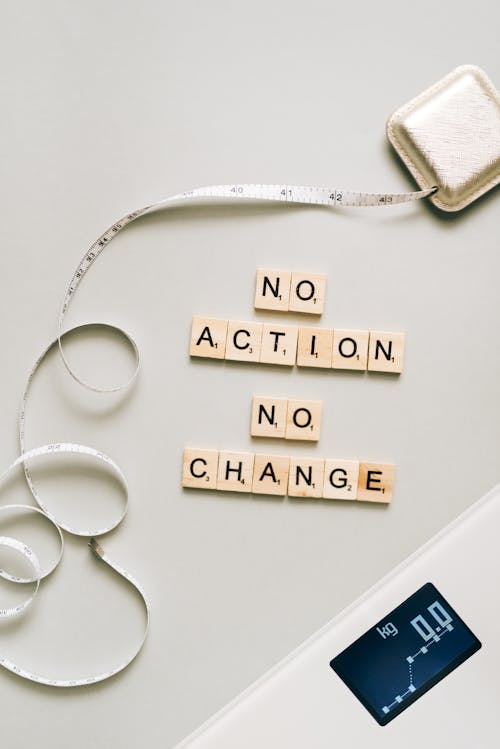
Developing a Growth Mindset for the Year Ahead
A growth mindset is the belief that your abilities, intelligence, and skills can be developed through effort and learning. This mindset is essential for maintaining positivity, especially when things don’t go as planned.
With a fixed mindset, challenges feel like threats. With a growth mindset, challenges become opportunities to learn. This shift changes how you experience failure—not as a reflection of your worth, but as feedback for improvement.
Developing a growth mindset starts with awareness. Notice how you talk to yourself when something goes wrong. Are you quick to criticize or quick to learn? Replace thoughts like “I’m bad at this” with “I’m still learning.”
Embrace mistakes as part of the process. Every successful person has failed repeatedly—they just didn’t let failure define them. When you view setbacks as temporary, your optimism remains intact.
Learning new skills, seeking feedback, and stepping outside your comfort zone all reinforce a growth mindset. Each time you challenge yourself, you prove that growth is possible.
A growth mindset doesn’t guarantee success, but it guarantees resilience—and resilience is the backbone of a positive mindset.
Surrounding Yourself with Positive Influences
Your environment has a powerful impact on your mindset. The people you spend time with, the content you consume, and the spaces you occupy all influence how you think and feel. Positivity is contagious—but so is negativity.
Take an honest look at your relationships. Do certain people leave you feeling drained, anxious, or doubtful? While not every relationship can be positive all the time, chronic negativity can sabotage your mental health.
Surround yourself with people who support your growth, respect your boundaries, and encourage your goals. These individuals don’t have to be perfect—they just need to be emotionally healthy.
Positive influences also include what you consume digitally. Social media, news, and entertainment shape your perception of reality. Curate your feeds intentionally. Follow accounts that inspire, educate, and uplift.
Creating boundaries is an act of self-care, not selfishness. Protecting your mental space allows positivity to flourish. When your environment supports you, maintaining a positive mindset becomes much easier.
Managing Stress and Mental Overload Early
Stress is one of the biggest threats to a positive mindset. When stress accumulates, even small challenges feel overwhelming. That’s why managing stress early in the year is crucial.
Mindfulness practices such as deep breathing, meditation, or body scans help regulate your nervous system. These techniques bring you back to the present moment, reducing anxiety about the future.
Another effective strategy is simplifying your commitments. Overloading your schedule leads to burnout, which drains positivity. Learn to say no without guilt and prioritize what truly matters.
Digital overload is another major stressor. Constant notifications keep your brain in a reactive state. Consider setting boundaries around screen time, especially before bed.
Stress management isn’t about eliminating stress completely—it’s about responding to it with awareness and care. When you manage stress proactively, you create mental space for optimism and clarity.

Taking Care of Your Body to Support Your Mind
Your mind and body are deeply connected. Physical neglect often shows up as mental fatigue, irritability, or lack of motivation. Taking care of your body is one of the most effective ways to support a positive mindset.
Regular movement improves mood by releasing endorphins. You don’t need intense workouts—walking, stretching, or dancing can be just as beneficial. The goal is consistency, not perfection.
Nutrition also plays a role in mental clarity. Balanced meals stabilize energy levels and reduce mood swings. Hydration alone can significantly improve focus and emotional regulation.
Sleep is often underestimated, yet it’s essential for mental health. Poor sleep affects decision-making, emotional resilience, and stress tolerance. Prioritizing rest is a form of self-respect.
When you treat your body with care, your mind responds with clarity and stability. Physical self-care reinforces the belief that you deserve to feel good—and that belief strengthens positivity.
Reframing Failure and Setbacks
Failure is inevitable, but negativity doesn’t have to be. The way you interpret setbacks determines whether they break you or build you.
Reframing failure means shifting from “I failed” to “I learned.” Every mistake provides insight into what works and what doesn’t. When viewed through this lens, failure becomes a teacher rather than a threat.
It’s also important to normalize setbacks. Growth is rarely linear. Progress includes pauses, detours, and restarts. A positive mindset allows you to adjust without quitting.
Practice self-compassion when things don’t go as planned. Harsh self-criticism erodes confidence, while kindness builds resilience. Speak to yourself the way you would speak to a friend.
When you reframe setbacks, you reduce fear of trying. And when fear loses its power, positivity has room to grow.
Staying Consistent with Positivity Throughout the Year
Positivity isn’t a one-time decision—it’s a daily practice. Motivation will fluctuate, but consistency is what sustains a positive mindset long-term.
Instead of relying on motivation, build supportive habits. Habits carry you forward even on low-energy days. Small actions, repeated consistently, create lasting change.
Track your mindset just like you would track goals. Reflect weekly on what’s helping and what’s draining you. Adjust as needed without judgment.
There will be days when negativity creeps in—and that’s okay. Positivity doesn’t mean never struggling; it means knowing how to reset. Each day is an opportunity to begin again.
Consistency comes from compassion, not pressure. When you treat yourself gently, positivity becomes sustainable.
Conclusion
Starting the New Year with a positive mindset isn’t about controlling life—it’s about choosing how you meet it. Positivity is not a destination you reach, but a practice you return to daily. It’s built through awareness, intention, and self-respect.
No matter how the past year unfolded, the new one offers a fresh opportunity to think differently, respond differently, and live more intentionally. When you choose positivity, you choose growth, resilience, and hope.
This year doesn’t have to be perfect to be meaningful. It just has to be yours.
FAQs
1. How long does it take to develop a positive mindset?
It varies for everyone, but consistent habits can create noticeable shifts within weeks.
2. Can a positive mindset really change my life?
Yes. Your mindset shapes your decisions, reactions, and overall experience of life.
3. What if I struggle with negativity or anxiety?
Positivity doesn’t replace professional support. It complements it. Seek help when needed.
4. How do I stay positive when life gets hard?
Focus on what you can control, practice self-compassion, and take things one day at a time.
5. Are positive affirmations actually effective?
Yes, when they feel believable and are practiced consistently.
Please don’t forget to leave a review

Купить пластиковые окна на заказ в Москве — это отличный способ улучшить энергоэффективность вашего дома и повысить его комфорт.
Купить пластиковые окна на заказ в Москве — это отличный выбор для вашего дома.
Купить пластиковые окна на заказ в Москве — это отличный способ улучшить энергоэффективность вашего дома и повысить его комфорт.
Процесс заказа пластиковых окон интуитивно понятен и удобен.